


Your cart
There are no more items in your cart
- 3253 views
Maintaining your pipes according to the seasons is essential to preserve the proper functioning of the pipes and all the sanitary appliances in the house, and to avoid problematic damage.
Spring
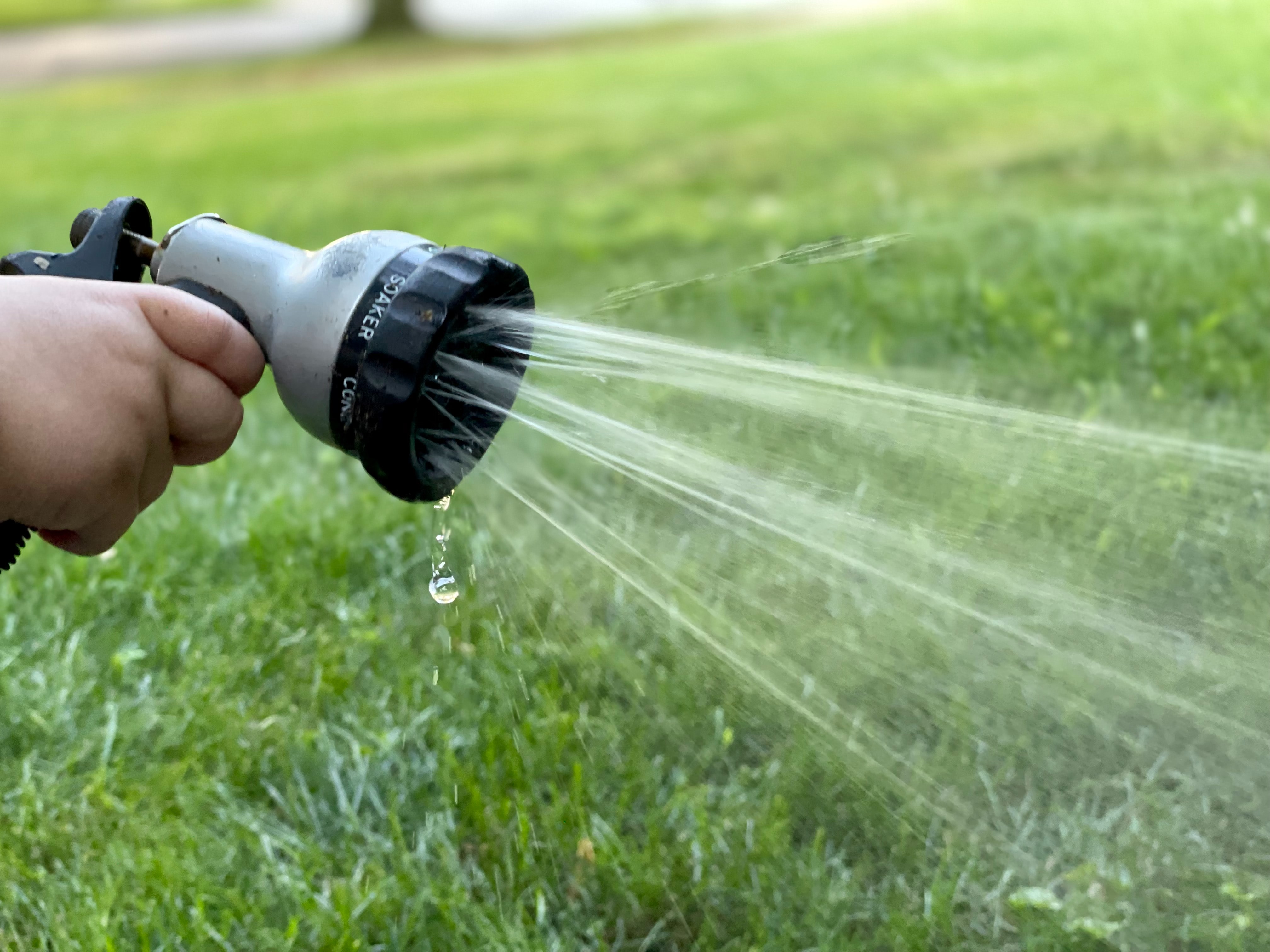
The famous spring cleaning will put a lot of strain on the plumbing of the house: cleaning the windows, cleaning the garden furniture, watering flowers and plants, filling a swimming pool...
Here are some tips to take full advantage of this period, without worries.
- Diagnose a possible leak
Go around all of your pipes to check that there are no leaks or damaged parts. A plumber can help you make a general inventory.
- Check the exterior ducts
Inspect gutters and test outdoor faucets. Turn the water back on and check that it's flowing properly and that the winter freeze hasn't damaged the pipes.
- Install a water softener
This is the best time. Limestone is an ordeal and will be more or less important depending on your geographical location.
A water softener balances the hard minerals in the water.
The installation of a water softener will solve the problem of limestone and bring visible benefits on a daily basis: get rid of scale and therefore avoid too rapid wear of all appliances and control its consumption of water. energy, softened water is better for the skin, hair, laundry and reduces consumption of cleaning products.
- Release heater pressure
Adapt your heating gradually until you turn it off. Drain the radiators and service the boiler.

Summer
In summer either the house is empty during the holidays, or on the contrary the sanitary appliances are all the more solicited by the children on holiday, the swimming pools or other aquatic activities, the automatic watering…
- Check for any leaks
Inspect the pipes for any leaks or corroded pipes. The water heater must not show any deformation, as this may be a sign of imminent bursting and therefore water damage.
- Test the pressure
Simply open the faucet in the kitchen and the bathroom to determine if the water is flowing more slowly in one of the two rooms and reveals a possible leak.
To calculate the pressure of your shower here is a tutorial to follow: https://www.youtube.com/watch?v=NUsd5PfZodA&list=PLWXWsvqy3EIpevuAli6MqXrkZlL3keALE&index=15
To obtain more precise measurements, there are specific pressure gauges that test the water pressure.
- Before going on vacation
Let the faucets of the bathtub, sink or washbasin and hand shower run for a few seconds to fill the water seal of the siphons and thus preserve a good smell in the rooms. And turn off the water to avoid any risk of flooding in the event of a leak.
Autumn
- Drain the water heater
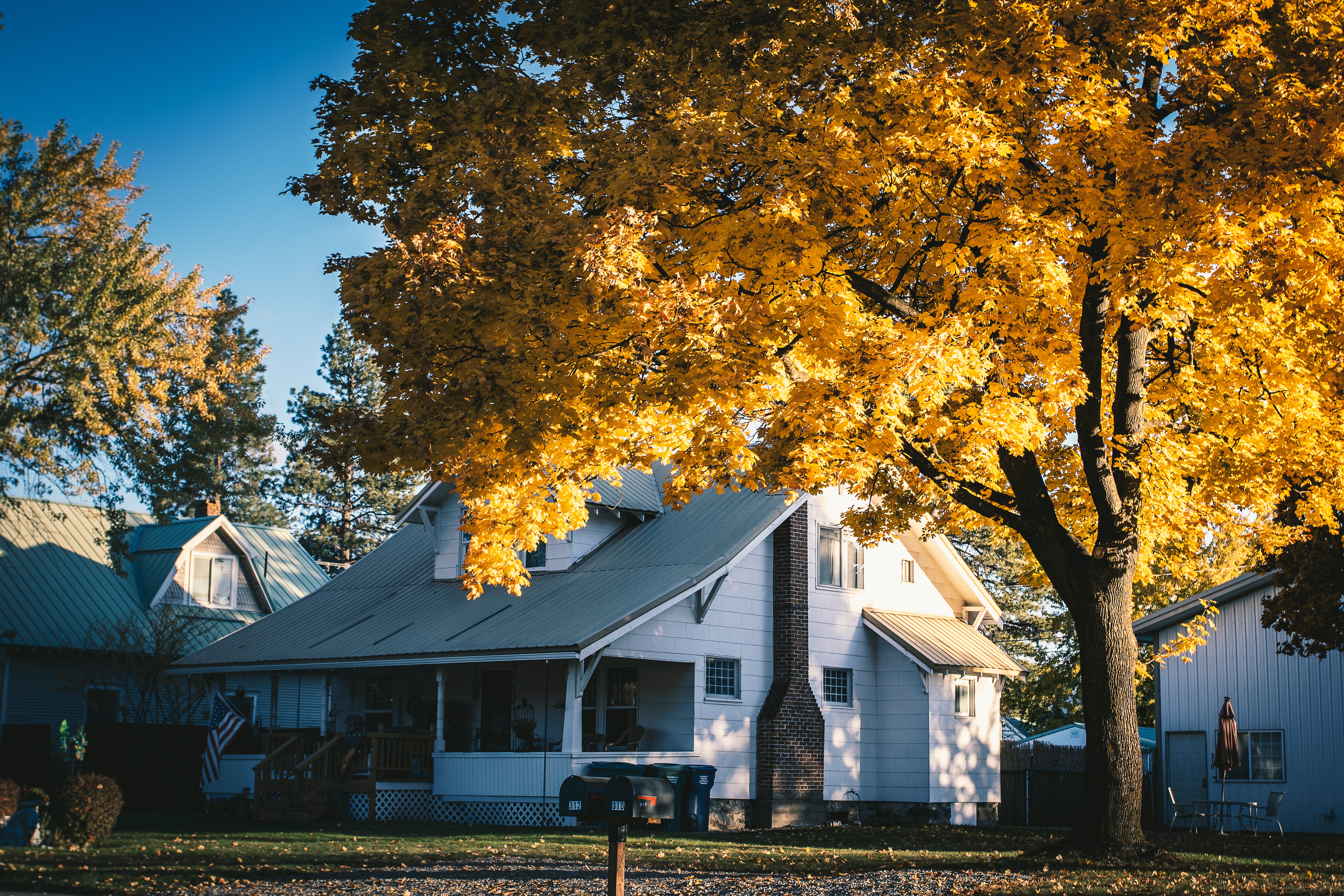
At this time, the water heater prepares to work intensively. To ensure proper operation, drain or have the tank drained. This will remove all sediment build-up and ensure its proper functioning and efficiency to hibernate peacefully.
- Avoid traffic jams
Remove leaves, debris or other twigs from gutters and drains that will block flow and/or create clogs in the drain. This will also avoid preventing rainwater from landing near the foundation of the house.
- Empty and turn off the outside taps
Completely empty the water in the hose and turn off the water supply. Otherwise you could have bad surprises in the spring…
Winter
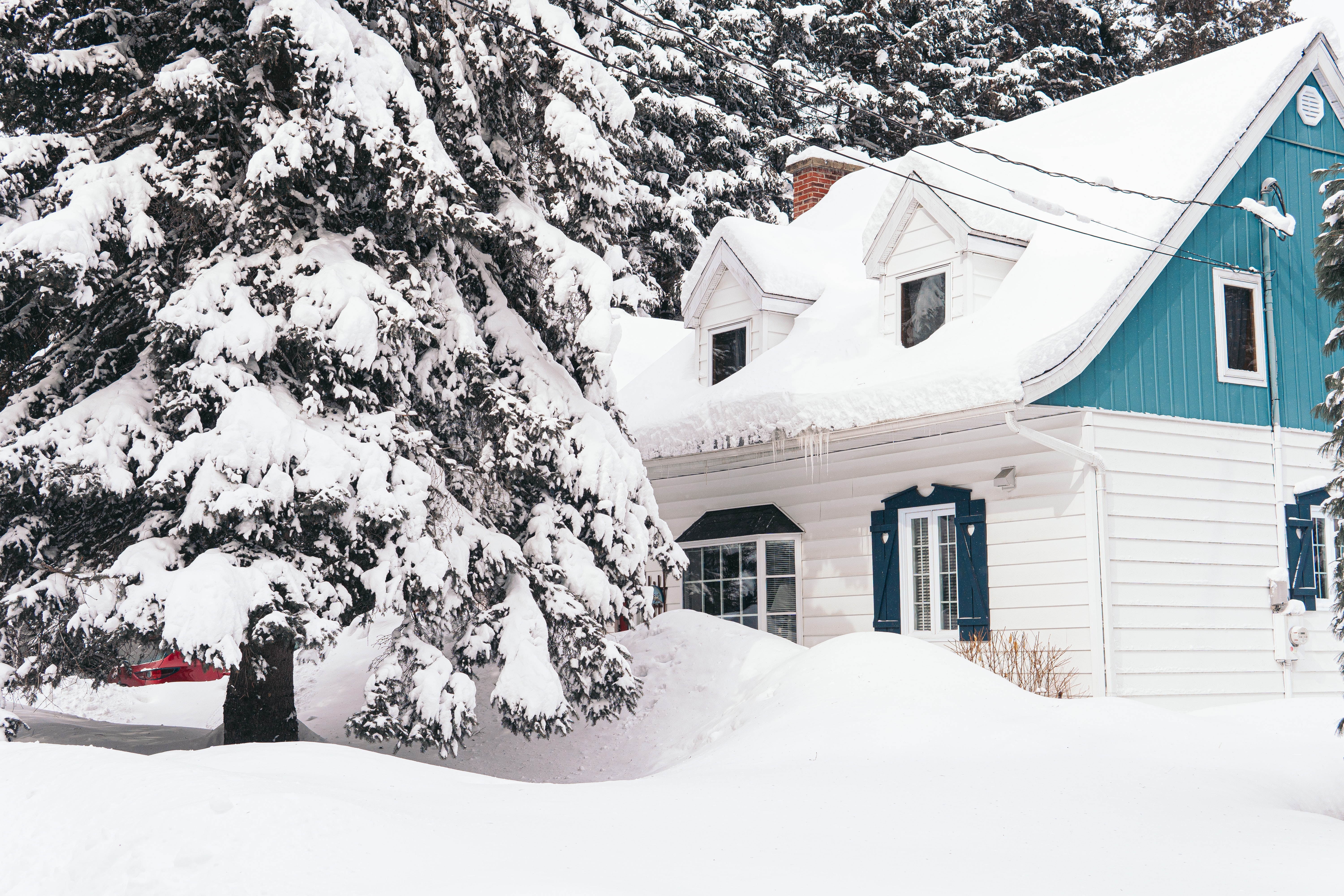
The pipes are exposed to cold and frost in winter, and to all the associated risks or damage. Plumbing maintenance is necessary in this season to prevent rather than cure.
- Check the status of the installation
To get the winter off to a good start, a general inventory will make it possible to diagnose the work to be carried out.
For this, it will be necessary to check the various equipment to detect any leaks, rust, deterioration... Toilets, sink, washbasin, washing machine, dishwasher... all appliances are concerned.
At the same time, here are some points that should alert you: drop in water pressure, increase in the water bill, presence of mold, rust, humidity, blisters...
If you are not comfortable with this type of maintenance: contact your plumber.
- Insulate the pipes
The application of an insulator makes it possible to prevent freezing by trapping the heat. There are several insulating materials: polyurethane, glass wool, rubber or foam.
- Keep the house warm
It is advisable to keep a temperature above 15° in the house so that the water can continue to circulate easily in the pipes.
- Keep drains clean
Avoid using corrosive and chemical products and favor less harmful products such as white vinegar and baking soda.
Thanks to regular maintenance, the pipes will remain in perfect condition.