
Your cart
There are no more items in your cart


The trap (or drain) is an essential component of any sanitary installation. Installed under a washbasin, basin, sink or bathtub, it ensures the evacuation of wastewater while preventing unpleasant odours from rising back up. However, when choosing a trap, several technical and aesthetic criteria must be considered to guarantee a reliable, durable installation that is suited to its intended use.
Whether you are a professional plumber or a private individual, here are the key points to consider before purchasing !
Not all drains are universal. The first step is to identify the sanitary fixture to be connected:
Washbasin or basin: compact trap, sometimes visible
Kitchen sink: trap with a higher flow capacity, sometimes with a washing machine connection or overflow
Bathtub or shower: trap designed for a specific waste outlet, often extra-flat
Each configuration involves different constraints in terms of space, flow rate and connection.
The space available under a washbasin or sink, or inside a vanity unit, is often limited. Choosing the right drain is therefore essential:
Standard drain: ideal when space is not restricted
Space-saving or extra-flat drain: perfect for bathroom furniture or concealed installations
Adjustable or swivelling drain: makes installation easier in complex configurations
=> For plumbers, an adjustable trap offers a valuable time-saving advantage on job sites.
The material plays a key role in both durability and appearance.
Plastic (PP, ABS): lightweight, corrosion-resistant and cost-effective
Recycled plastic: identical technical performance with a reduced environmental impact (particularly relevant for RE2020-compliant projects)
Metal or chrome finish: preferred for visible installations
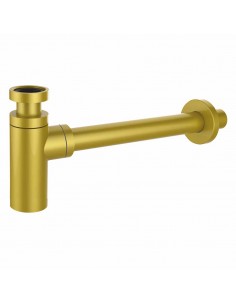
=> In modern bathrooms with exposed siphons, material choice becomes a true aesthetic criterion. The siphon should feature a clean design, simple and elegant lines, and high-quality finishes.
A trap must be perfectly compatible with the existing waste pipe diameter:
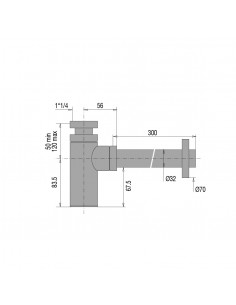
Ø32 mm: generally used for washbasins and basins
Ø40 mm: more common for sinks or high-flow installations
An incorrect diameter can lead to leaks, poor drainage or persistent odours.
A trap must ensure smooth drainage without clogging:
Check that the trap is suitable for the waste outlet’s flow rate
Prefer internal designs that promote efficient water flow
Avoid overly narrow drain for intensive use
A high-performance drain ensures user comfort and reduces the risk of blockages.
A good trap should be:
Easy to dismantle for cleaning
Accessible without complex removal of furniture
Quick to install, with reliable seals to ensure customer satisfaction and avoid impacting professional productivity
Finally, make sure the trap complies with current standards and offers consistent quality:
Reliable watertightness
Long-term durability
Carefully controlled manufacturing (flow rate, resistance to hot water and repeated use, etc.)
A high-quality trap reduces the need for repeat interventions and guarantees peace of mind for the end user.
In summary, to make the right choice you should consider:
The type of sanitary fixture
Available space
Material and aesthetics
Diameter and flow rate
Ease of installation and maintenance
A well-chosen trap ensures a durable, efficient installation with no unpleasant surprises.
For more information about VALENTIN products, visit our YouTube channel by clicking here!